National Climate Finance Workshop Concludes in Ashgabat
48 ASHGABAT, October 27, 2026 — A four-day national workshop focused on strengthening Turkmenistan's capacity in climate finance and climate project preparation has concluded in Ashgabat. The event was organized as part of a joint initiative implemented by the Ministry of Environmental Protection of Turkmenistan, the Food and Agriculture Organization of the United Nations (FAO), and the Green Climate Fund (GCF) titled "Improving the Capacity of Turkmenistan to Access Climate Finance through Capacity Building and Strategic Frameworks".
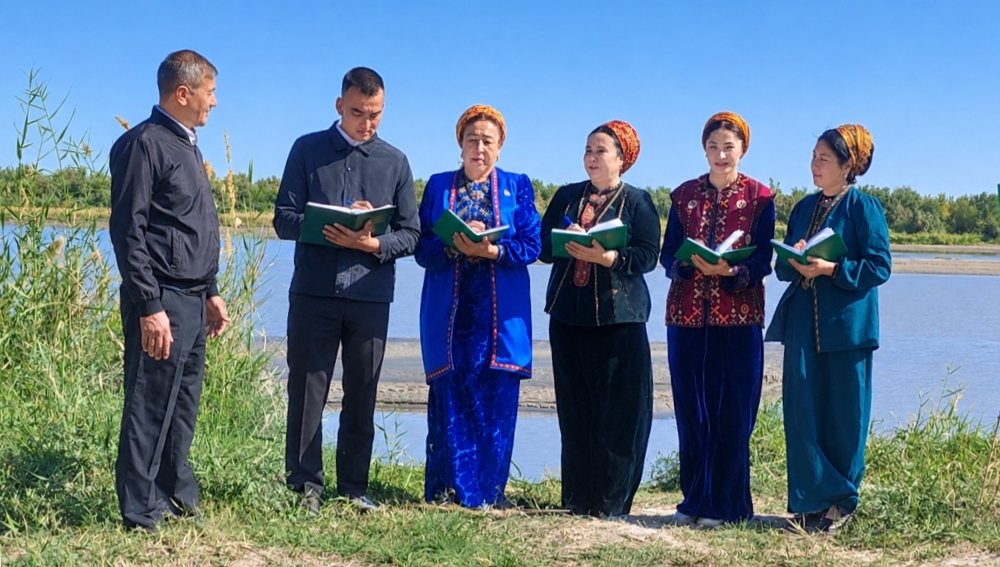
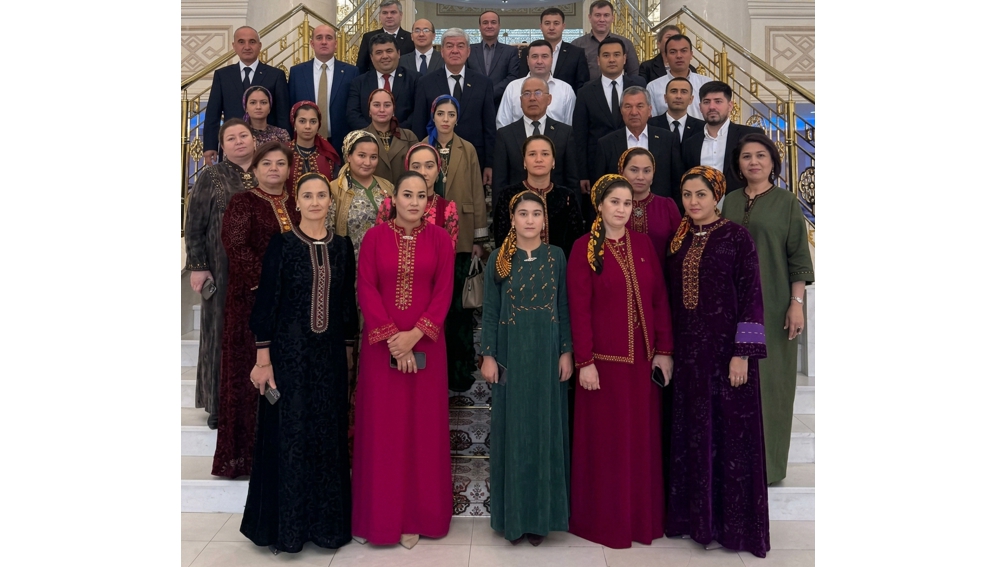
The workshop brought together representatives from relevant ministries and departments, the financial sector, scientific institutions, and provincial (velayat) administrations across Turkmenistan.
The primary focus was placed on greenhouse gas emission reduction and climate change adaptation measures, as well as opportunities to attract climate finance for relevant projects. Participants reviewed approaches to greenhouse gas emissions and removals accounting, and discussed investment opportunities in agriculture, forestry, land management, and other sectors vital for conserving natural ecosystems and enhancing climate resilience.
During the practical sessions, participants familiarized themselves with approaches to assessing, selecting, and preparing projects to secure international climate finance. Special attention was given to utilizing international information resources, including FAOSTAT and the World Bank's Climate Change Knowledge Portal, for data analysis and project proposal justification. Participants also examined the role of forests and soils in carbon sequestration and storage, alongside the core operational principles of international carbon markets.
Strategic planning for climate action occupied an important place on the workshop's agenda. Among the key strategic documents reviewed were the Investment Plan for Turkmenistan’s updated Nationally Determined Contribution (NDC) and the environmental assessment report for the Aral Sea. The work on these documents aimed to refine priorities and identify opportunities for the further implementation of relevant initiatives.
Following the four days of work, participants summarized the outcomes, clarified priority areas for future activities, and determined practical steps for climate project preparation. The workshop served as a platform for knowledge and experience exchange among relevant institutions, contributing to the enhancement of the country's capacity in climate finance, investment proposal formulation, and the utilization of carbon market mechanisms.