CLIMATE FUTURE STRATEGY: TURKMENISTAN EXPANDS ACCESS TO GREEN TECHNOLOGIES AND FINANCE
16 Adaptation to climate challenges has become a strategic priority for Turkmenistan, as the sustainable development of the country's agricultural sector directly relies on environmental stability. A significant step forward in this direction was a three-day training workshop held in Ashgabat from September 30 to October 2, 2026. The event was organized in a hybrid format at the Archabil Hotel.
The workshop took place within the framework of the joint initiative implemented by the Ministry of Environmental Protection of Turkmenistan, the Food and Agriculture Organization of the United Nations (FAO), and the Green Climate Fund (GCF) titled "Improving the Capacity of Turkmenistan to Access Climate Finance through Capacity Building and Strategic Frameworks". The meeting focused on climate change mitigation technologies, the analysis of reporting on greenhouse gas (GHG) sources and sinks, and the review of the draft climate technology investment plan for the agriculture, forestry, and other land use (AFOLU) sectors.
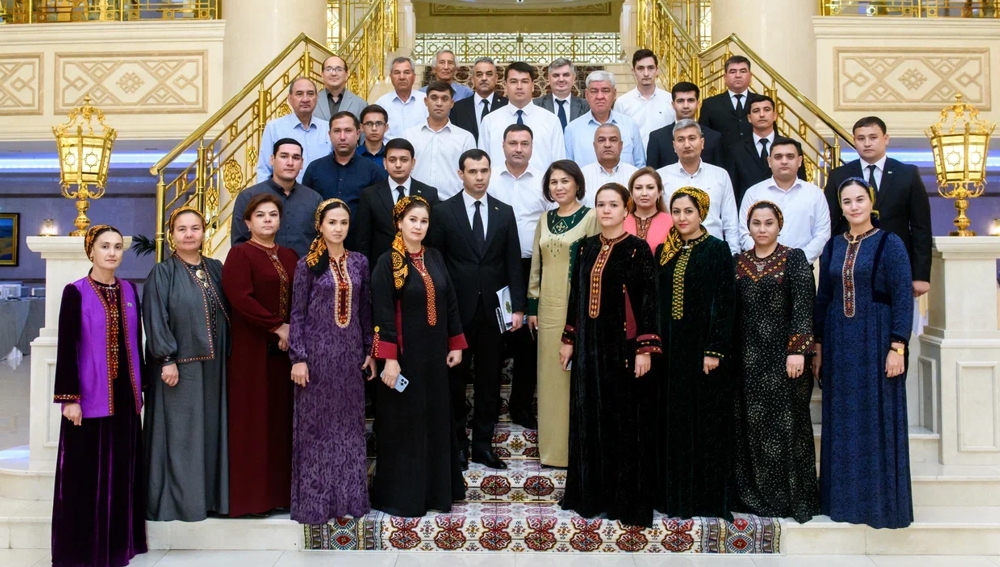
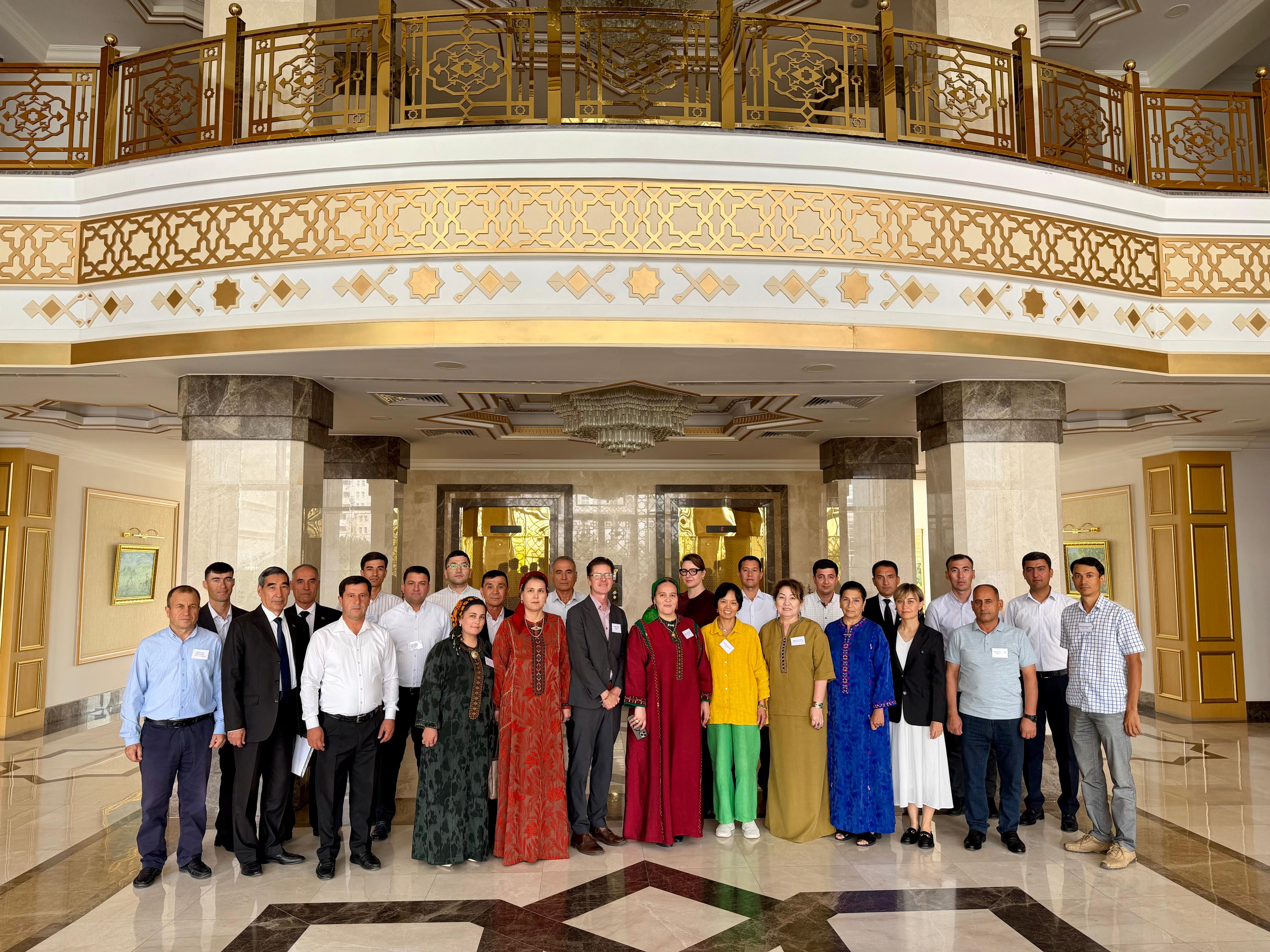
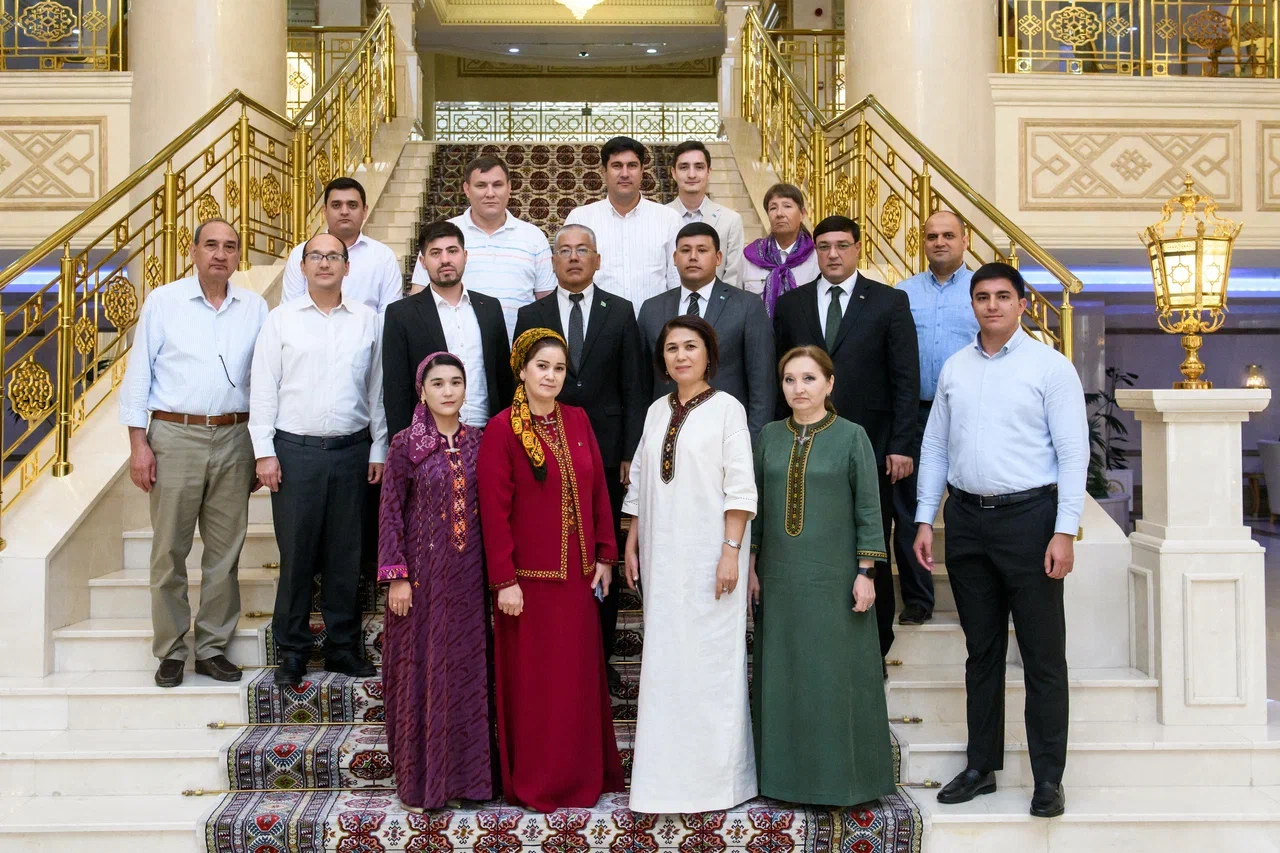
The seminar brought together representatives from key ministries, financial institutions, academia, and velayats of the country on a single platform. This comprehensive approach enabled a detailed analysis of sectoral vulnerabilities. Through interactive voting, the participants identified the most promising green solutions for crop production, livestock, forestry, and aquaculture.
Since the transition from theory to practice is impossible without a solid financial foundation, a significant portion of the discussions was dedicated to investment mobilization mechanisms. In hands-on sessions, participants mapped out detailed public, international, and private financing schemes for the proposed adaptation measures. The main outcome of this collaborative work was the successful validation of the draft technology investment plan developed by FAO experts. The document is aimed at attracting international funds into the AFOLU sector in strict alignment with national environmental priorities and to enhance resilience to climate change.
The final stage of the training brought the agenda to the level of global transparency and the fulfillment of the country's commitments under the Paris Agreement. The participants studied in detail the modern requirements for compiling the National Greenhouse Gas Inventory Report and completing the Enhanced Transparency Framework (ETF). The experts clarified the methodology for data collection and emission calculations.
The workshop concluded with a discussion on the practical operationalization of the investment plan's activities. Their implementation will strengthen the adaptive capacity in the most vulnerable sectors of the country’s economy and expand access to green technologies and finance.