Turkmenistan strengthens zoonosis spillover prevention in protected areas
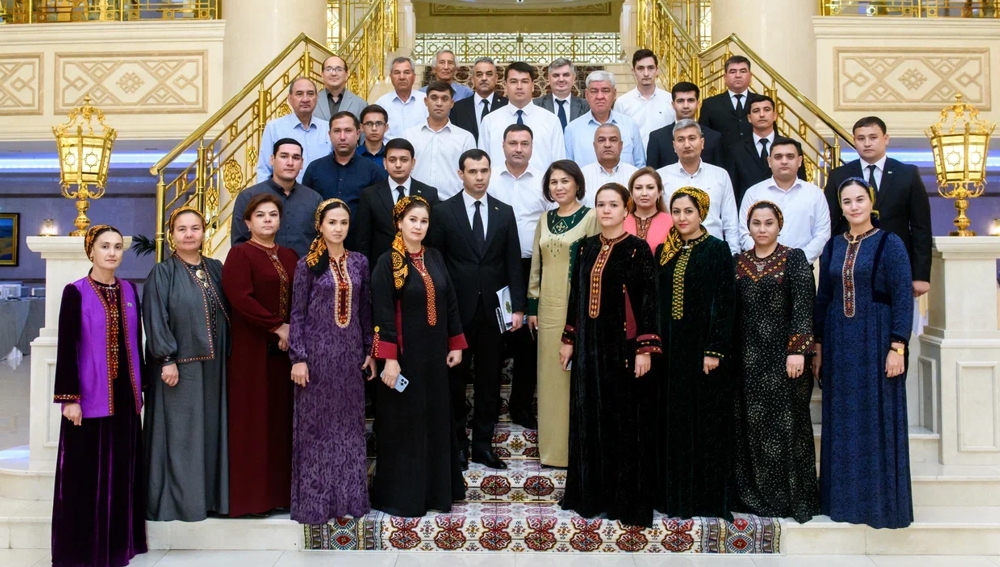
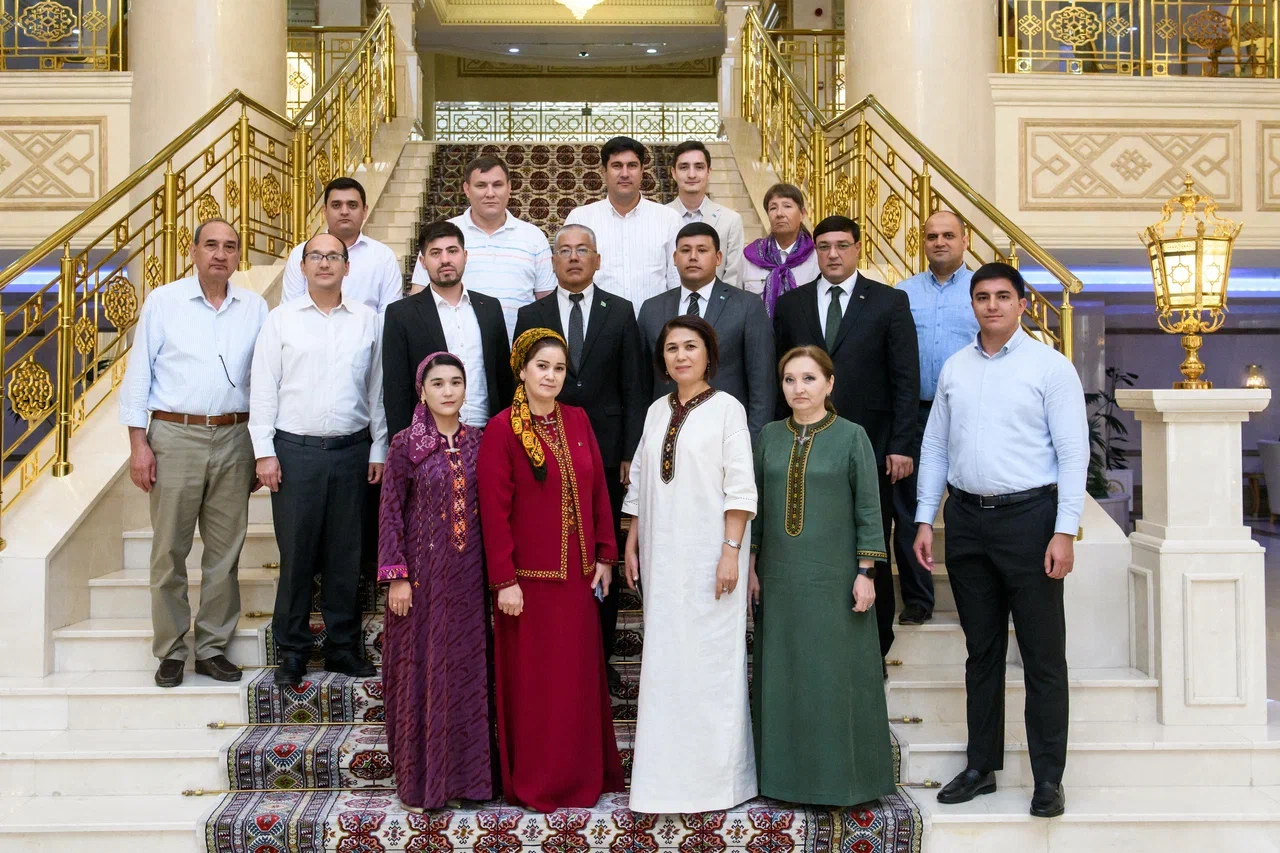
20Reducing the risk of zoonotic spillover in Turkmenistan’s protected and conserved areas requires coordinated action across conservation, veterinary and public health sectors. To strengthen this capacity, a practical One Health and biosafety training was held in Ashgabat from 1 to 3 October, bringing together protected area inspectors, scientific staff, and relevant national institutions from across Turkmenistan.
In Turkmenistan’s desert and semi-desert landscapes, wildlife and livestock can share limited grazing areas and water points, creating potential pathways for disease transmission. Rangers and scientific staffworking in often remote areas can play an important role in early warning by recognising unusual wildlife mortality or signs of disease, documenting what they observe and alerting the appropriate authorities.
“Protected and conserved areas of Turkmenistan are home to some of our country’s most important and diverse ecosystems – from deserts and arid woodlands to mountains and tugai forests – and a rich variety of wildlife. The people working in these areas have an important responsibility not only for biodiversity conservation, but also for observing changes in the environment and wildlife. Strengthening their knowledge of One Health and biosafety can help us better understand and respond to risks affecting wildlife, livestock and, ultimately, people”, said Mahmytgurban Dosov, Deputy Head of the Flora and Fauna Protection Department, Ministry of Environmental Protection of Turkmenistan.
Zoonotic spillover occurs when a pathogen passes from an animal host to a person. Reducing the risk means understanding what happens where wildlife, livestock, people and their shared environment interact, and ensuring that those who first observe potential warning signs know how to act and who to inform. A range of endemic animal and zoonotic disease risks are present across Central Asia, including in Turkmenistan, making early detection and reporting particularly important. The training therefore focused on equipping nature protection inspectors and scientific staff with practical skills to recognise early warning signs in the field – including unusual animal behaviour, abnormal mortality, or other signs of illness that may warrant immediate reporting and further investigation.
“Nature conservation is an important part of the One Health approach. By maintaining healthy ecosystems and wildlife populations, and better understanding where wildlife, livestock and people interact, we can help prevent and reduce the risk of zoonotic disease spillover,” said Dao Nguyen, Senior Programme Manager, IUCN Conservation Action. “Protected areas and the people who manage and study them have a pivotal role to play in connecting biodiversity conservation with wider health security.”
A key focus was the practical role of protected area staff. Rangers and scientific staff are not expected to diagnose disease or collect biological samples. Instead, the training emphasised a simple sequence: recognise, avoid contact, record and report. Participants practised documenting observations such as species and number of animals affected, location, photographs and condition, and considered how different suspected disease events should be reported to the appropriate authorities.
“Effective early warning does not always begin with sophisticated technology or laboratory testing. It often begins with someone in the field recognising that something is unusual and knowing what information to record and where to send it. Strengthening that connection between frontline observations and national surveillance systems can make conservation practice an important part of One Health,” said Shirin Karryyeva, Technical adviser, Conservation X Labs.
This is particularly important in Turkmenistan’s large and remote protected areas, where rangers may work many hours away from veterinary or medical support. Training therefore also covered personal protective equipment, decontamination of boots, vehicles and equipment, safe responses to wildlife mortality events, and first aid for bites, scratches, exposure incidents during remote patrols.
The three-day programme combined technical sessions with practical exercises and field-based learning. During a field visit to the visit center of the Bereketli Garagum state nature reserve, participants identified points where wildlife, livestock and people may interact, including shared grazing and watering areas, and mapped ecological stressors and potential disease-risk pathways. They then used these observations to develop site-level management and risk-communication responses.
“The aim is not to turn rangers into veterinarians or disease diagnosticians, but to give them the practical skills to recognise when something may be wrong, protect themselves and others, and get the right information to the right people,” said Dr Jonathan M. Sleeman, lead trainer for the Turkmenistan national training, One Health Science. “In remote landscapes, those first observations can be extremely valuable. One Health works when the people closest to wildlife are connected to the wider systems responsible for investigation and response.”
The training concluded with participants developing One Health action plans, translating the knowledge and skills gained during the three-day programme into practical steps for their own protected areas and organisations. The plans focused on strengthening surveillance, managing potential disease risks and improving coordination between those working with wildlife in the field and the scientific, veterinary and other authorities responsible for investigating and responding to potential threats.