Digital Technologies and Ecology: Digital Climate Finance Tracking Tool (DCFTT) Tested in Ashgabat
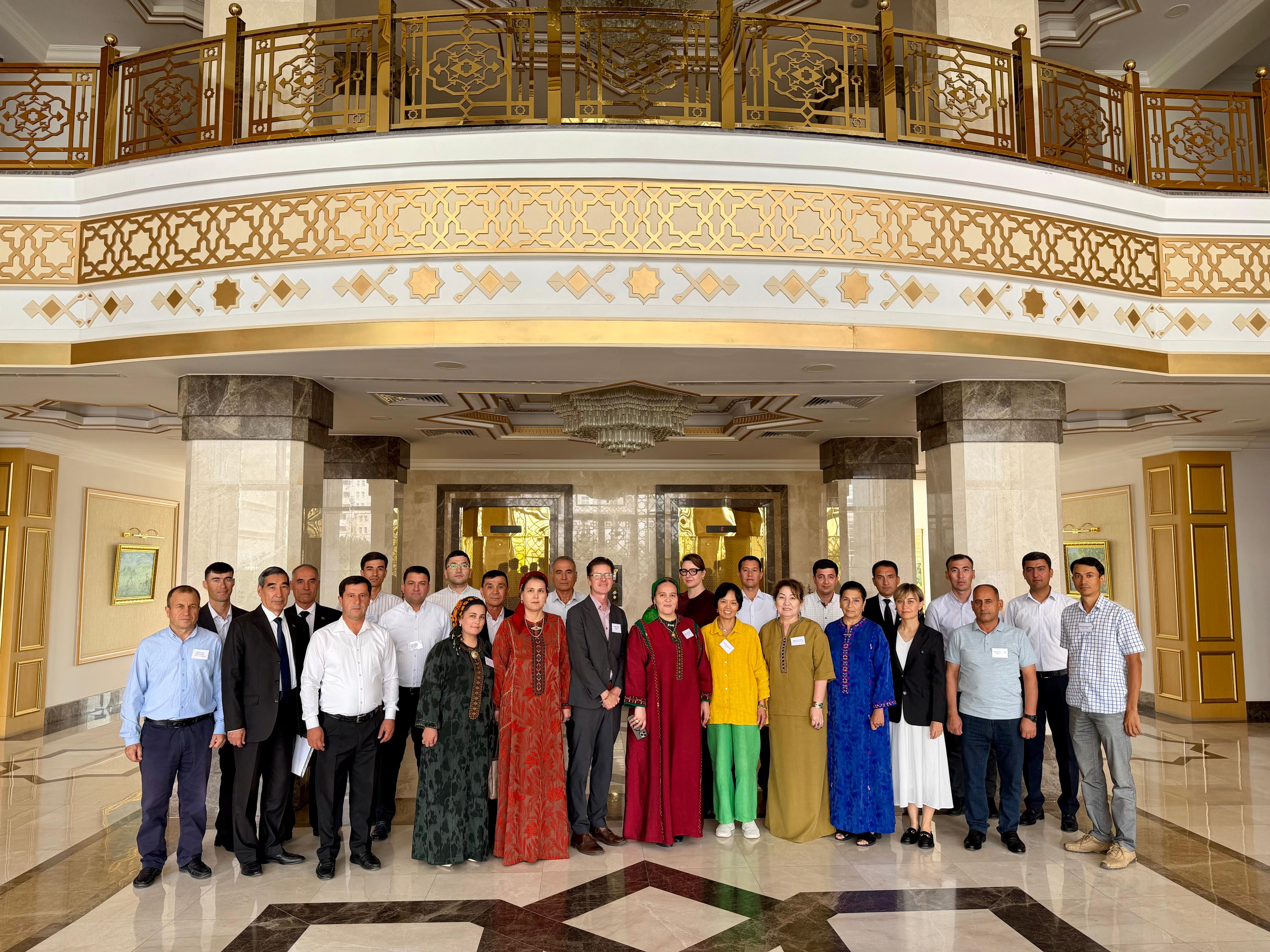
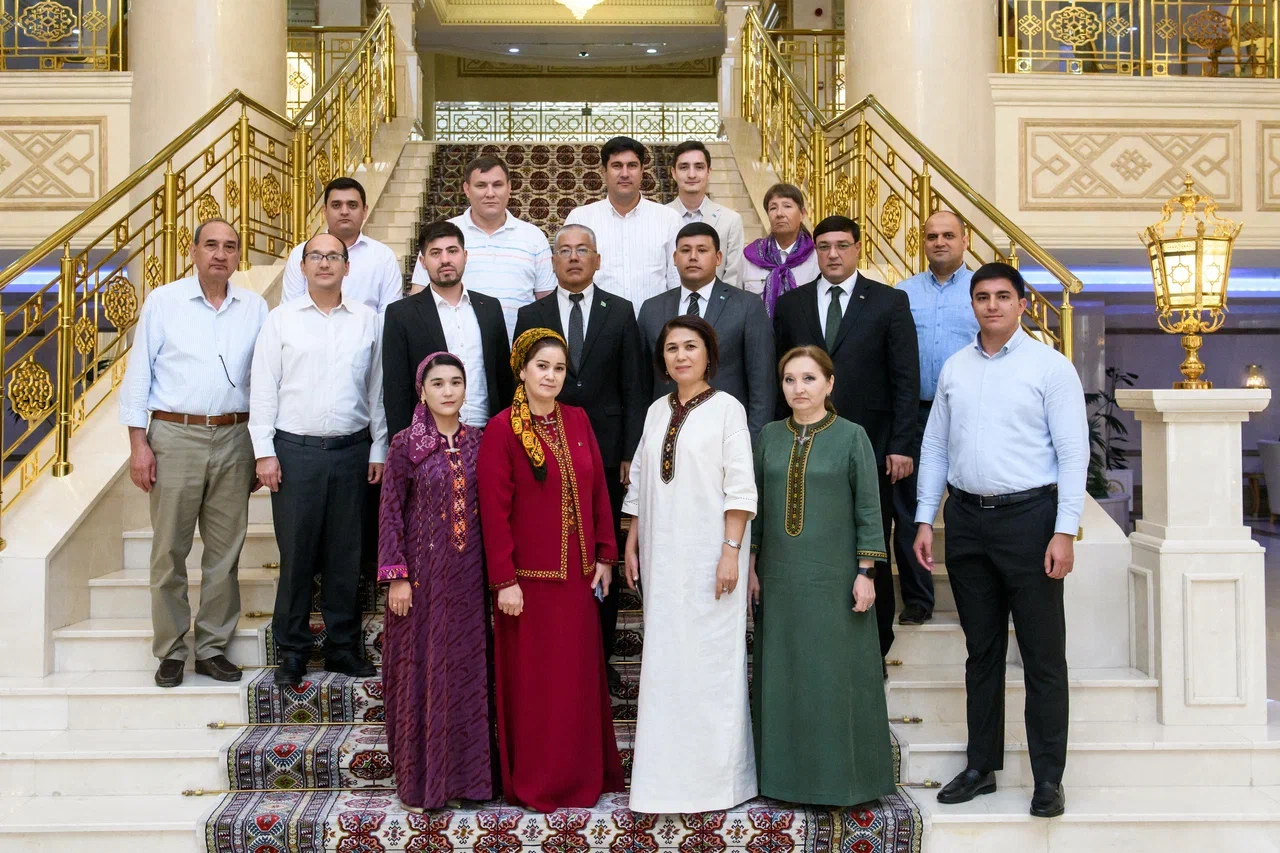
67ASHGABAT, September 26, 2026 – A two-day inter-ministerial practical workshop successfully concluded in the conference hall of the capital's Archabil Hotel, featuring the presentation and hands-on testing of the pilot version of the Digital Climate Finance Tracking Tool (DCFTT).
This innovative platform was developed within the framework of the joint project implemented by the Ministry of Environmental Protection of Turkmenistan, the Food and Agriculture Organization of the United Nations (FAO), and the Green Climate Fund (GCF) titled "Improving the capacity of Turkmenistan to access climate finance through capacity building and strategic framework". The project aims to strengthen the country’s institutional readiness to attract climate investments into strategic areas such as sustainable land management, agriculture, and forestry.
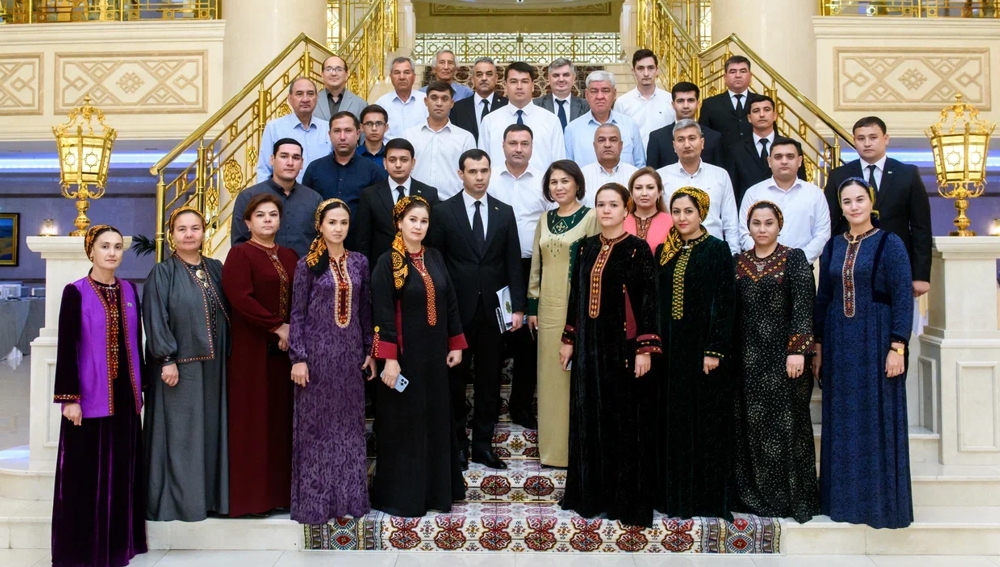
The workshop was attended by leading experts from the Ministry of Foreign Affairs, the Ministry of Environmental Protection, the Ministry of Agriculture, the Ministry of Finance and Economy, and the State Committee on Statistics, as well as representatives of research institutes and public organizations of the country.
The keynote speaker of the workshop, Mr. Metodija Dimovski, FAO International Consultant on Climate Finance, built his presentation on the principles of interactive engagement and familiarized the participants in detail with the DCFTT system architecture and its core functionalities. The expert paid special attention to the clear delineation of the project cycle stages: from request formulation and resource mobilization to fund receipt, targeted allocation, classification, and expenditure tracking. The developed tool ensures the classification of primary data by institutional ownership and funding types, and also enables the identification of national strategic documents oriented toward the climate agenda. The software supports batch data uploading, as well as the classification and assessment of the climate relevance of financial flows.
A key component of the workshop was an interactive live simulation, during which specialists from Turkmenistan’s national agencies tested the functionality of user accounts in practice and mastered data entry and verification algorithms. Special attention was paid to data confidentiality and access control mapping, considering the requirements of national authorities.
Within the session dedicated to engagement with the GCF, Ms. Sarah Agapito, FAO International Sustainable Development Consultant, presented a seven-module training course, alongside approaches to climate expenditure inventory and its classification, taking into account the national context and legislation.
The participants noted that Turkmenistan possesses a robust, centralized system for statistical data collection. The introduction of the DCFTT digital tool is designed to establish a more systemic framework for tracking climate financial flows, supporting data-driven decision-making based on structured information, and analyzing the financial aspects of implementing Turkmenistan's climate priorities, including measures stipulated under the Nationally Determined Contributions (NDCs). The proposals and recommendations received from national experts during the workshop will be utilized by the FAO project team to finalize the User Manual and further enhance the digital platform for its subsequent integration into the daily workflows of the line ministries.